Spring Pressure Cleaning Checklist for Coastal Homes
Spring is the ideal time for Newcastle homeowners to wash away the effects of winter. Homes near Newcastle Beach, Merewether, Bar Beach, Nobbys, Stockton and the wider Hunter coastline face a tougher environment than inland properties. Salt-laden sea air, strong easterly winds, humidity, and fine sand all settle on exterior surfaces and build up month after month. By 2026, many local homeowners schedule a seasonal exterior clean as part of regular property maintenance, and this checklist will help you do it properly.
Why Coastal Homes Need a Dedicated Spring Clean
Salt spray is the biggest threat to coastal exteriors. Salt crystals attract moisture, which accelerates corrosion on metal fixtures, roof fasteners, gutters, window frames and balustrades. Salt also leaves a chalky residue on paint, render, and glass, dulling the finish and reducing the lifespan of coatings.
Newcastle's mild, humid climate also encourages mould, mildew, algae, and lichen, especially on south-facing walls, shaded pavers and damp roof sections. Left untreated, these organisms hold moisture against surfaces, which can lead to staining, slippery walkways and premature deterioration.
Spring is the right moment to act. Temperatures are warming, rainfall is generally more manageable than in the wetter months, and surfaces dry more quickly after cleaning. It also means your home looks its best heading into summer, whether you are hosting guests, preparing to sell, or simply protecting your investment.
Before You Start: Preparation Checklist
Good preparation prevents damage and makes the cleaning more effective. Work through these steps before any water pressure is applied.
- Inspect surfaces for damage. Look for cracked render, loose roof tiles, flaking paint, failing sealant and deteriorated mortar. High pressure can force water into these weak points.
- Check windows, doors and seals. Make sure all windows and doors are closed and that seals are intact to prevent water entering the home.
- Protect plants and gardens. Wet down surrounding vegetation and cover delicate plants. Coastal gardens are already stressed by salt, so avoid exposing them to harsh cleaning chemicals.
- Cover outdoor power points and lights. Switch off power to exterior outlets and cover fittings, meters and light fixtures.
- Move furniture and vehicles. Clear patios, decks and driveways so every area can be accessed.
- Test a small area first. Always trial your pressure setting and cleaning solution on a hidden section to check for colour change or surface damage.
- Check the weather forecast. Choose a calm, mild day. Strong coastal winds can blow detergent and overspray onto neighbouring properties, cars and gardens.
Surface-by-Surface Cleaning Guide
Roofs
Roofs collect salt, pollution, moss and lichen, particularly on shaded sections. Concrete and terracotta tiles generally respond well to a low-pressure soft wash combined with an appropriate biocide treatment. Colorbond and other metal roofs need gentle handling to avoid scratching coatings. High pressure can lift tiles, damage the surface layer and push water beneath the roofing. Because of the fall risks involved, roof cleaning is best left to trained and insured professionals.
Gutters and Downpipes
Clear leaves, sand and debris before washing the roof or walls, so dirty water flows freely. Salt build-up https://sergiokocg734.laurelcurrent.com/posts/is-high-pressure-cleaning-safe-for-heritage-homes and standing water speed up rust in metal gutters, so check for early signs of corrosion and repair small problems before they spread.
External Walls, Render and Cladding
Brick, rendered masonry, weatherboard, and fibre cement cladding each require a different approach. Painted and rendered surfaces usually need a lower pressure and a soft wash method to avoid stripping paint or etching the surface. Brick can generally tolerate more pressure, but old or soft mortar joints can erode quickly. Always wash from top to bottom and keep the nozzle at a consistent distance to avoid streaking.
Windows, Frames and Glass
Salt film leaves windows hazy and can pit glass and aluminium frames over time. Use low pressure or a gentle rinse with a soft brush and a mild detergent rather than a concentrated jet. Never aim a pressure washer directly at window seals.

Driveways, Paths and Paving
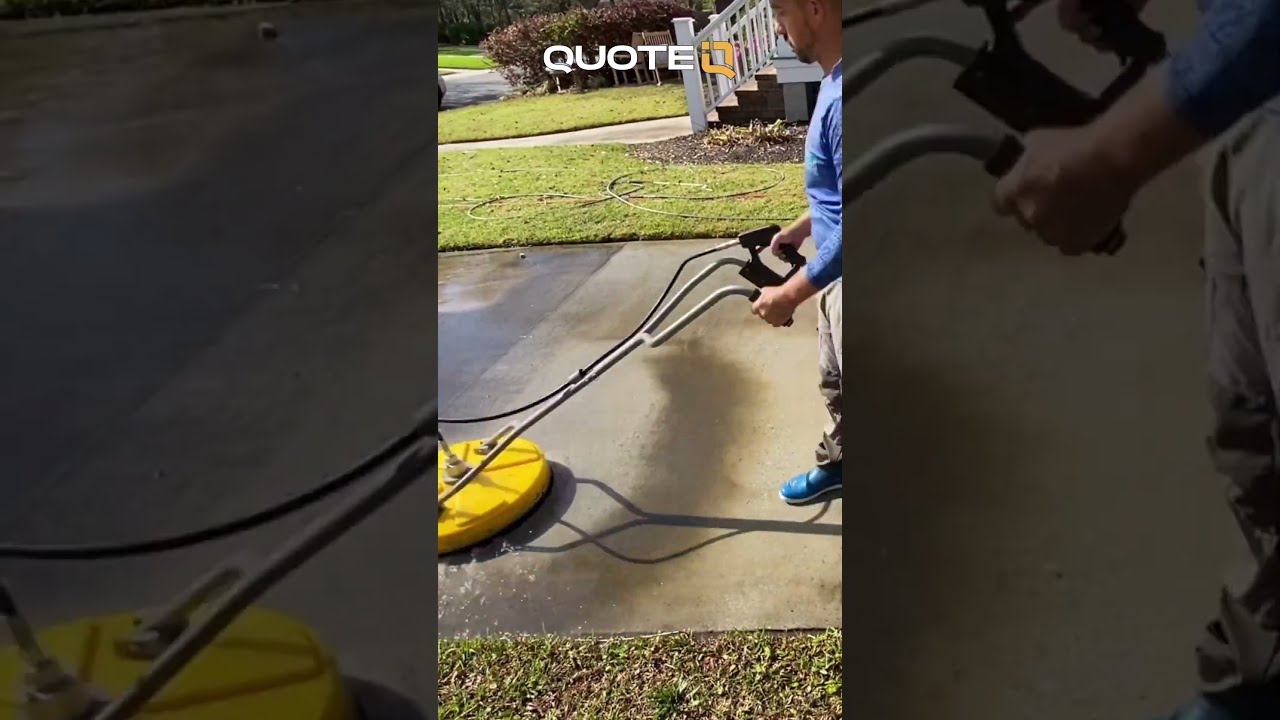
Concrete, pavers, and exposed aggregate usually handle higher pressure well and benefit from surface cleaners that deliver even results without zebra striping. Pay attention to shaded areas where algae creates slip hazards. If you have pavers, be aware that excessive pressure can remove the sand between joints, so plan to re-sand them after cleaning.
Decks, Pergolas and Fences
Timber decks, especially those near the coast, weather quickly under sun, salt and moisture. Use lower pressure and move with the grain to prevent furry, damaged surfaces. Allow the timber to dry fully before applying oil, stain or sealer. For composite decking, check the manufacturer's care instructions first.
Balustrades, Pool Fencing and Outdoor Metalwork
Salt is particularly aggressive on stainless steel, aluminium and galvanised metal. Rinse with fresh water and a mild detergent, dry the surfaces and check for tea staining or pitting. Regular freshwater rinsing between major cleans is one of the simplest ways to extend the life of these items.
Choosing the Right Pressure and Method
Not every surface needs high pressure. Matching the method to the material is the key to a lasting, damage-free result.
- Soft washing: Uses low pressure combined with cleaning solutions to kill mould, algae and bacteria at the source. Best for roofs, painted walls, render, and cladding.
- High-pressure washing: Suited to hard, durable surfaces such as concrete driveways, brick paths, and some paving.
- Surface cleaners: Rotating attachments that clean large flat areas evenly and more quickly than a standard wand.
- Hot water systems: Useful for grease, oil stains and stubborn grime on driveways and garage floors.
Environmental and Regulatory Considerations in Newcastle
Newcastle's proximity to the ocean, Hunter River and local waterways means runoff matters. Wash water containing detergents, algae treatments and contaminants should not be allowed to flow into stormwater drains, which discharge to waterways and beaches. Where possible, use biodegradable products, direct water onto lawns or garden beds that can absorb it where appropriate, and consider containment or wastewater recovery for larger jobs. Professional operators are increasingly expected to follow best-practice environmental procedures, and homeowners should check City of Newcastle guidance and EPA requirements on stormwater and runoff before starting.
If your property was built before the mid-1980s, be cautious around old paint and cement sheeting. Some older materials may contain lead paint or asbestos. Never pressure wash suspected asbestos-containing materials, as this can release hazardous fibres. If in doubt, have the material assessed by a licensed professional first.
Post-Clean Protection Checklist
Cleaning is only half the job. Once your home is washed and dry, take steps to keep it looking good for longer.
- Inspect for any damage revealed by cleaning, such as cracks, peeling paint or failed sealant.
- Reseal pavers, concrete, and timber decks where appropriate to resist salt, moisture and stains.
- Touch up paint on exposed or chipped surfaces to protect them from salt exposure.
- Apply a mould-inhibiting treatment to shaded areas prone to regrowth.
- Rinse windows, metalwork and outdoor furniture with fresh water every few weeks during salt-heavy periods.
- Trim back overhanging branches to improve airflow and sunlight on walls, roofs and paths.
DIY or Hire a Professional?
Many small jobs, such as washing a patio or rinsing a fence, are manageable for confident homeowners with a quality machine. However, there are good reasons to call in a professional for larger or higher-risk work. Roofs, two-storey walls, delicate render, and heritage properties all carry a risk of injury or costly damage when handled incorrectly. Professional crews bring commercial-grade equipment, appropriate chemical knowledge, safety gear, public liability insurance and experience dealing with salt-affected coastal surfaces.
When choosing a Newcastle pressure cleaning provider, ask about their insurance, their approach to different surface types, how they manage wastewater and whether they offer soft washing. A reputable operator will inspect the property, explain their method and provide a clear quote with no pressure to commit.
Common Mistakes to Avoid
Using too much pressure is the most frequent error, and it can etch concrete, strip paint, damage timber and force water behind cladding. Other common mistakes include cleaning in direct sun, which causes detergents to dry too fast and leave streaks, and skipping the pre-wetting of plants. Many homeowners also forget to rinse away chemical residues thoroughly, or neglect to follow up with sealing and protection, which means grime and salt return faster than expected.
Plan Your Spring Clean for Lasting Results
A thorough spring clean does more than improve kerb appeal. It removes corrosive salt, helps protect paint and building materials, reduces slip hazards, and can save money by catching small problems before they become major repairs. For Newcastle's coastal homes, a seasonal routine of inspection, appropriate cleaning, and protection is one of the most cost-effective ways to preserve your property.
Work through the checklist above, match your cleaning method to each surface, and consider professional help for roofs, delicate finishes and larger areas. With the right approach this spring, your home will be ready to handle the coastal conditions through 2026 and into 2027 and beyond.
Newcastle Pressure Cleaning Experts
(02) 4082 8401